When Summer Feels Like Winter: Understanding Grief Through a Narrative Therapy Lens
Updated: Aug 7
Summer is often described as a season of light. The days are longer, filled with family vacations, celebrations, weddings, camping trips, and evenings spent outdoors. This creates an expectation that we should feel happier simply because the sun is shining.
Yet, for many people living with grief, summer can feel surprisingly heavy. As a grief and loss therapist in British Columbia, I often hear clients say, “I don’t understand why everyone else seems to be enjoying summer while I’m just trying to get through the day.” If that sounds familiar, you are far from alone.
Grief does not follow the seasons. It follows love.
The world outside may be full of warmth, but inside, you may feel as though you’re carrying winter. Summer often brings reminders of the people we miss: family traditions, camping trips, lake days, birthdays, Father’s Day, Mother’s Day, anniversaries, or vacations that now look different after loss. These reminders can awaken sadness, longing, loneliness, or even guilt when moments of joy begin to appear.
Many clients wonder if something is wrong with them because they aren’t “moving on.” From a narrative therapy perspective, the question shifts. Instead of asking, “What’s wrong with me?”, we become curious about what grief is asking of you.
A Narrative Therapy Perspective on Grief
Narrative therapy invites us to see grief as something separate from our identity. You are not grief. Grief is an experience that entered your life because someone or something deeply meaningful mattered to you.
When we begin to separate ourselves from grief, we can become curious about its influence instead of believing it defines us.
Grief often tells stories like:
“Everyone else has moved on.”
“You should be feeling better by now.”
“You have to be strong.”
“Don’t ruin everyone else’s summer.”
These stories are powerful, but they are not the only stories available.
Another story might sound like this:
“I miss someone deeply because they were important to me.”
“I’m learning how to carry love differently.”
“My grief deserves space, even when the world feels busy and bright.”
Narrative therapy helps people reconnect with these preferred stories. Stories that are grounded in love, resilience, connection, and meaning rather than self-judgment.

Gentle Grounding Tools for Heavy Days
Grounding is not about forcing yourself to feel happy. It is about helping your body and mind return to the present moment when grief feels overwhelming.
Here are a few practices you might try this summer:
Feel Your Feet on the Ground
Whether you’re standing in your backyard, walking along the beach, or sitting in a park, notice the support beneath your feet. Allow yourself to imagine the earth carrying some of what you’ve been holding.
Use Your Five Senses
Notice:
Five things you can see.
Four things you can feel.
Three things you can hear.
Two things you can smell.
One thing you can taste.
This simple exercise gently reconnects you with the present moment.
Name the Experience
Instead of saying, “I am overwhelmed,” try:
“I’m noticing sadness.”
“Grief is visiting me today.”
“Longing is here.”
This small shift creates space between you and the emotion, allowing you to respond with greater compassion.
Carry Something Meaningful
A smooth stone from the beach, a small keepsake, or a meaningful piece of jewelry can become a reminder that you can pause, breathe, and reconnect with yourself whenever grief feels especially close.
Give Yourself Permission
Permission to leave the barbecue early. Permission to decline the invitation. Permission to cry by the ocean. Permission to laugh without guilt. Permission to experience joy and sorrow in the very same day.
Grief rarely asks us to choose between remembering and living. Often, it asks us to make room for both.
Your Story Is Still Unfolding
One of the central ideas in narrative therapy is that no single experience tells the whole story of our lives. Grief is a significant chapter. It changes us. It reshapes our relationships, our identity, and our hopes. Grief is not the final chapter. Grief and gratitude co-exist.
Even during seasons that feel unexpectedly cold, moments of warmth continue to appear. A quiet walk through the forest. The smell of cedar after rain. Sharing memories with someone who understands. Watching the ocean at sunset. Laughing unexpectedly and realizing that joy has not replaced love; it has simply found a place beside it.
Healing is not about leaving grief behind. It is about continuing to write a life that honours the love, the loss, and the person you are becoming.
If this summer feels more like winter, know that your experience is valid. There is no timeline for grief, no perfect way to heal, and no expectation that you should carry this alone.
If you are looking for grief counselling in British Columbia, narrative therapy offers a compassionate space to explore your story, honour your loss, and reconnect with the values and relationships that continue to give your life meaning, even in the midst of grief.
You matter. Your grief matters. Your pain matters. Your sadness matters. Your anger matters. Your joy matters. Your life matters.
Grief wants to push everyone away when, in fact, what grief needs is connection.
We've got this!
About the Author
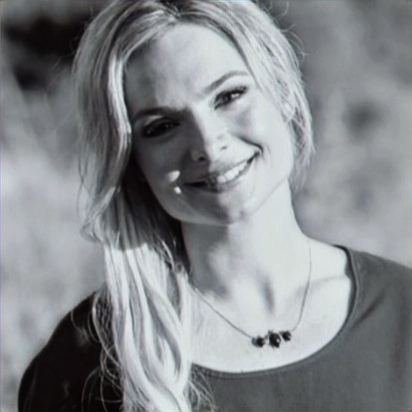
Danielle Buchanan is a Registered Clinical Counsellor and Life Coach, living and working in Squamish, BC. She has specialized training in Grief, Suicide to Hope, Advanced Narrative Therapy, Life Span Integration Therapy, Neurofeedback, and Mindfulness Cognitive Behavioural Therapy. Many of those she works with are experiencing loss, such as loss of a loved one, loss of career, loss of relationship, or loss of sense of self.


